" height="271.9999926478547px" id="EEb7rlRyU" width="823.9999863254119px"/><path d="M 41.234 82.42 C 64.009 82.42 82.469 63.97 82.469 41.21 C 82.469 18.451 64.009 0 41.234 0 C 18.461 0 0 18.451 0 41.21 C 0 63.97 18.461 82.42 41.234 82.42 Z" fill="rgb(20, 232, 155)" height="82.4204655951471px" id="oKwt2AI3_" transform="translate(545.508 14.698)" width="82.46885142513122px"/></g></svg>)
Riding the Next Wave: Why We’re Doubling Down on Caudal Energy
3 min read
We are thrilled to announce our follow-on investment in Caudal Energy (formerly known as Porpoise Power) as part of their £4.3 million Seed funding round! Co-led by Oxford Science Enterprises and Empirical Ventures, alongside Kibo Capital and Oxford Innovation Finance, with follow on investments from Zero Carbon Capital and Creator Fund, this fresh capital marks an exciting new chapter for the company as they scale their game-changing predictable renewable power systems.
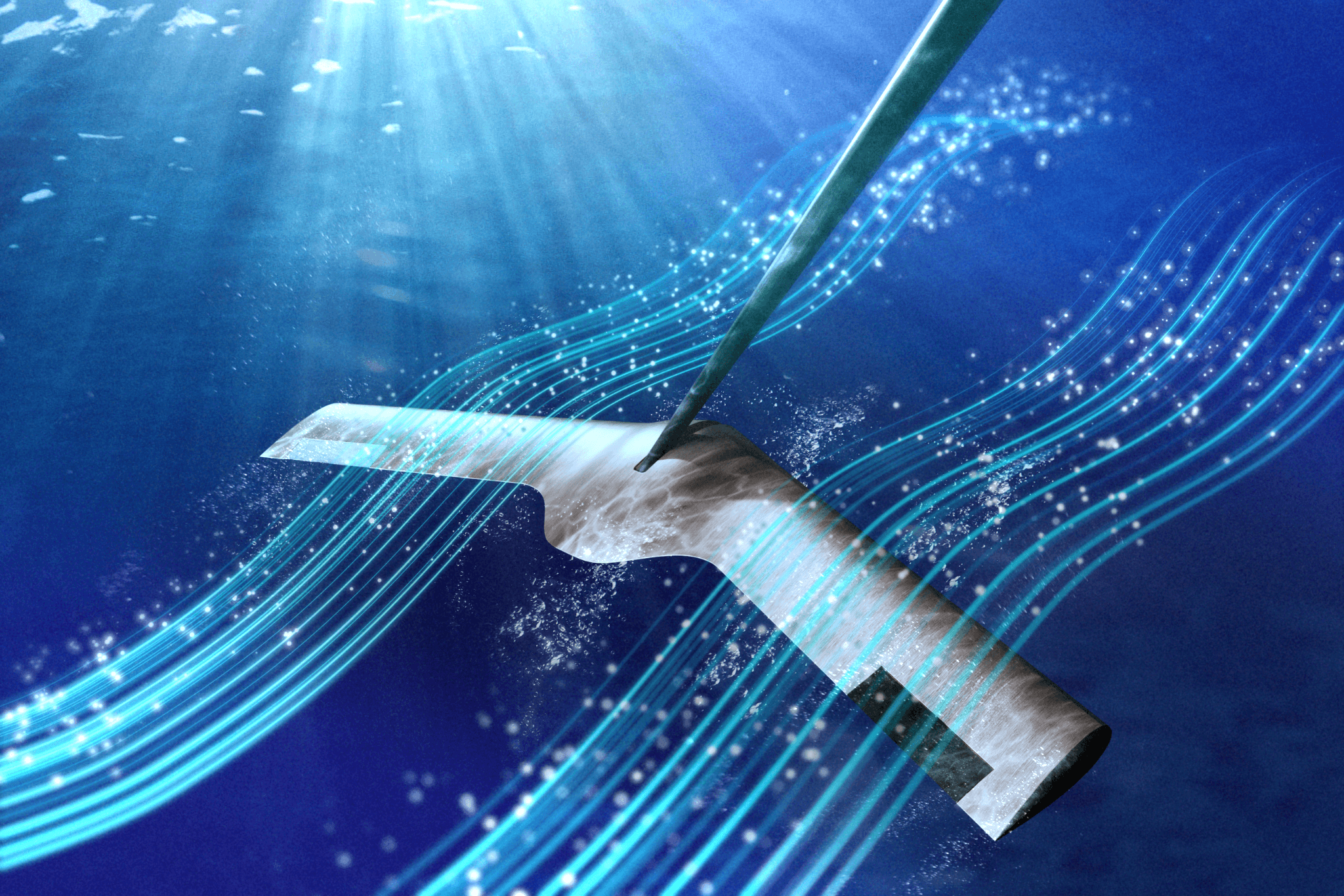
Cheap, Scalable, Baseload Power to Stabilise the Grid
When we first backed the team in their pre-seed round in 2024, our thesis was clear: the future grid cannot rely on intermittent wind and solar alone. As global electricity demand surges, the grid faces intense volatility and rising balancing costs, forcing reliance on expensive renewables overbuilding or backup fossil fuel plants.
Tidal stream energy has always held immense promise because it is predictable and reliable. However, historical attempts to commercialise it were bottlenecked by heavy, costly turbine-based systems that could only operate in rare, extreme-flow locations.
Caudal Energy changed the game. Originating from breakthrough hydrodynamic research by Professor Adrian Thomas at the University of Oxford, they looked to nature for the solution. By replacing traditional rotating turbines with a bio-inspired, oscillating fin-based system that mimics the caudal fins of marine mammals, they designed a mechanism that works with tidal flows rather than against them. This unlocked the ability to generate cheap, reliable baseload power to perfectly complement wind and solar, creating a pathway to stabilise the grid that is cheaper and faster to scale than nuclear and geothermal energy.
From Digital Prototype to Tested Tech
Since our initial pre-seed investment, the Caudal Energy team has executed at an extraordinary pace, de-risking their novel technology, collecting test data, and upgrading their digital model to inform the design of their utility scale system. This rapid hardware iteration has officially propelled their technology to Technology Readiness Level 5 (TRL5).
Alongside this technological evolution, the company has expanded its team, including hiring former Formula 1 engineers, balancing world-class engineering expertise with commercial and energy industry experience.
Why We’re Investing Again in the Seed Round
Caudal Energy’s progress has made them one of the most exciting potential solutions to the challenges of baseload power demand. We continue to be impressed by the founding team and are proud to have invested again in their Seed round.
A Scalable, Modular Architecture: Unlike traditional massive subsea infrastructure, Caudal’s floating, modular units are designed for low operational complexity. They simplify installation, drastically reduce expensive offshore maintenance, and enable dramatically faster scale up.
Parity with Offshore Wind: Because the system operates efficiently in abundant "mid-flow" tidal environments (peak flows above 3 knots, compared to the >5 knots required by old-school turbines), it unlocks a massive global footprint. This adaptability gives Caudal a credible path to reaching Levelised Cost of Energy (LCOE) parity with offshore wind—while remaining significantly cheaper and faster to deploy than nuclear power.
Drastically Reducing System Costs: By feeding predictable, continuous power back into the grid, Caudal eliminates the heavy integration and grid-balancing costs associated with other renewables, making it highly attractive to grid operators and utility partners.
What’s Next
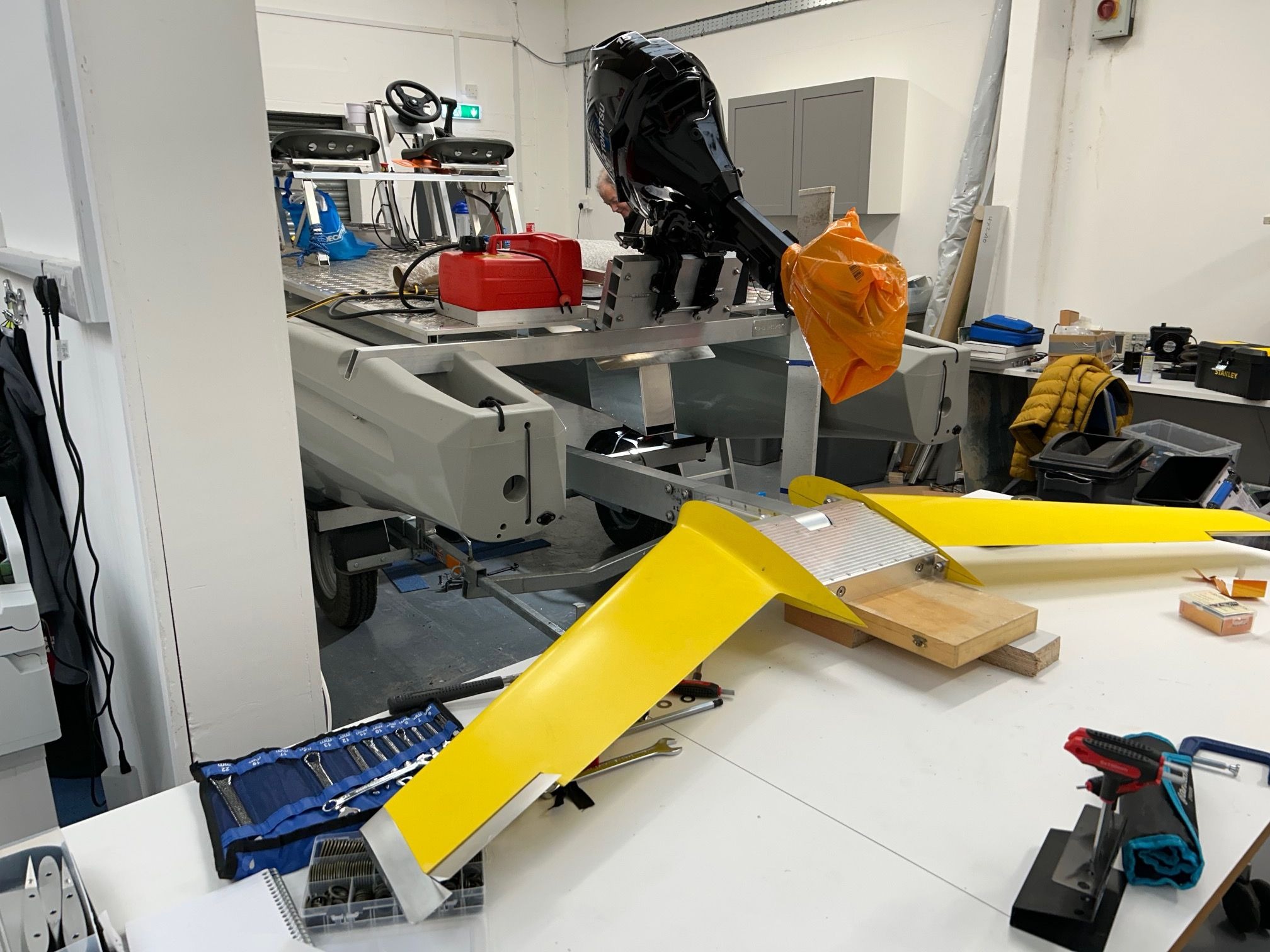
This investment will support full-scale testing of their pilot unit at a tidal site in Northern Ireland, design of their pontoon consisting of multiple units, and securing a Contract for Difference and private line clients.
This steps up their trajectory toward commercial-scale demonstration and targeted commercial deployment by 2028, which will bring the technology to TRL8.
We are incredibly proud to continue supporting John, Adrian, Hilary, and the entire Caudal Energy team as they prove that tidal energy is no longer a niche alternative, but a foundational pillar of the global clean energy transition.